Framing
Meet Schroders’ Monthly markets review for January 2026 — HK retail Market Insights, same slug, same figures, same section order. English does the research. Chinese is supposed to carry it.
Two lines under Digital assets / 數碼資產 did not. One swaps a legislative chamber. One swaps an entire market activity for a trading strategy. Both are the kind of miss you only get to publish when someone is already paying for “professional” bilingual copy.
Public pages — EN (07/02/2026) · TC (2026年2月7日). Direction: E2C. English prevails. The Chinese side still treated House and Senate as interchangeable, and treated profit-taking as arbitrage.
1. House-passed → 參議院: when Congress has one chamber too many
English, regulatory bright spot. Chinese, also with a straight face:
Source (EN)
The Senate Agriculture Committee advanced the Digital Commodity Intermediaries Act in late January, building directly on the House-passed CLARITY Act framework…
Target (TC)
美國參議院農業委員會於1月末推進《數碼商品中介機構法案》,該法案直接借鑒參議院已通過的《CLARITY法案》框架…
Yes. House-passed. 眾議院已通過. The chamber that already cleared CLARITY.
Chinese printed 參議院 — the Senate — for that prior passage. The advancing body in the same sentence is correctly the Senate Agriculture Committee. The underlying Act’s chamber is flipped. Two chambers, one careless noun, and suddenly the Senate had already passed the Act it is only now building on.
This is not a near synonym. House ≠ Senate. 眾議院 ≠ 參議院. In US legislative copy, that swap is a factual miss, not a style choice.
Fix, for people who still care which building the bill left:
Why bother: the paragraph is selling regulatory clarity as the month’s bright spot. Misname the chamber that already passed the framework and Chinese readers get the wrong institutional story — on a page they (or their firm) paid to have bilingual.
Page evidence
Source (EN)
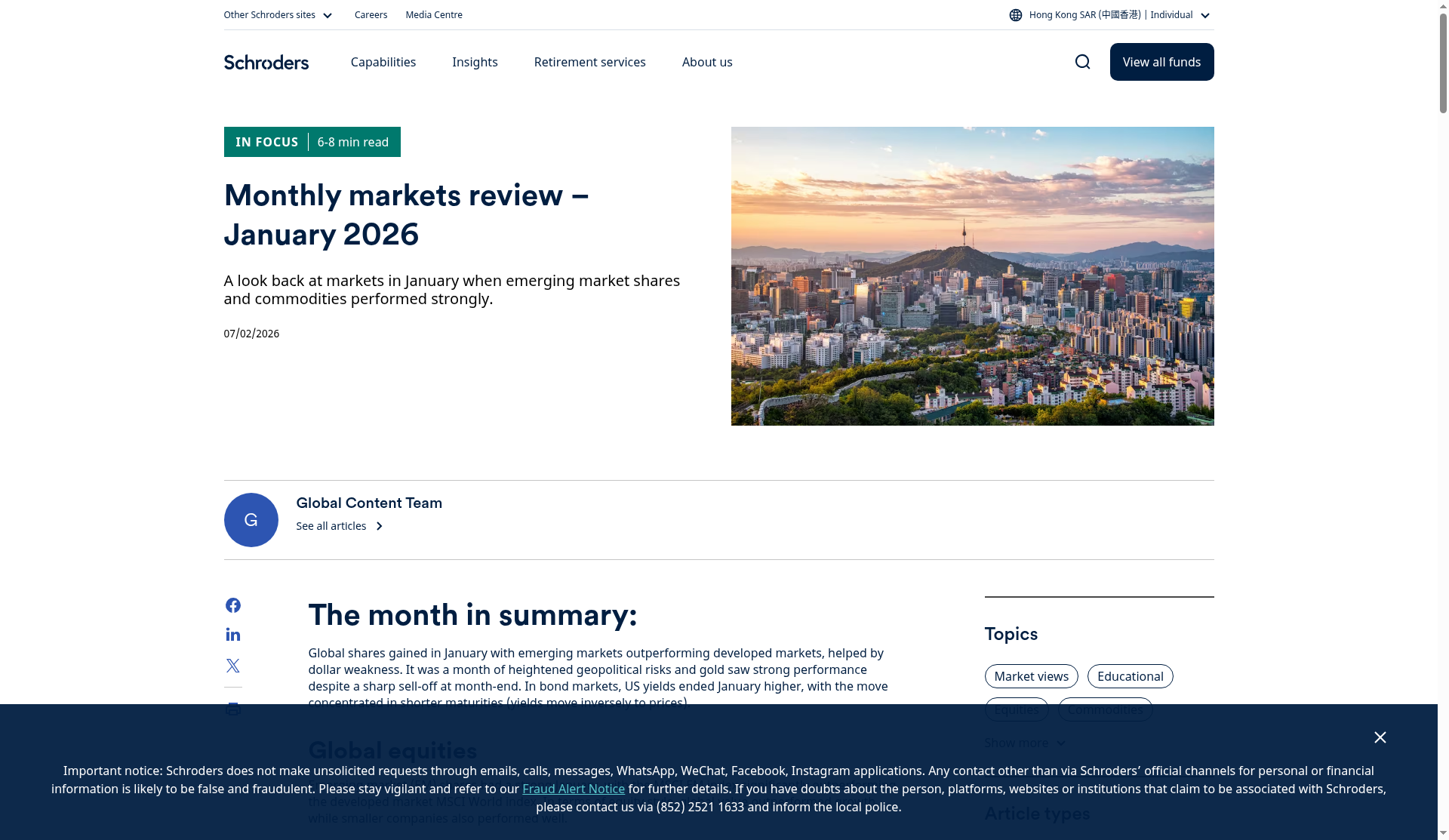
Source (EN)
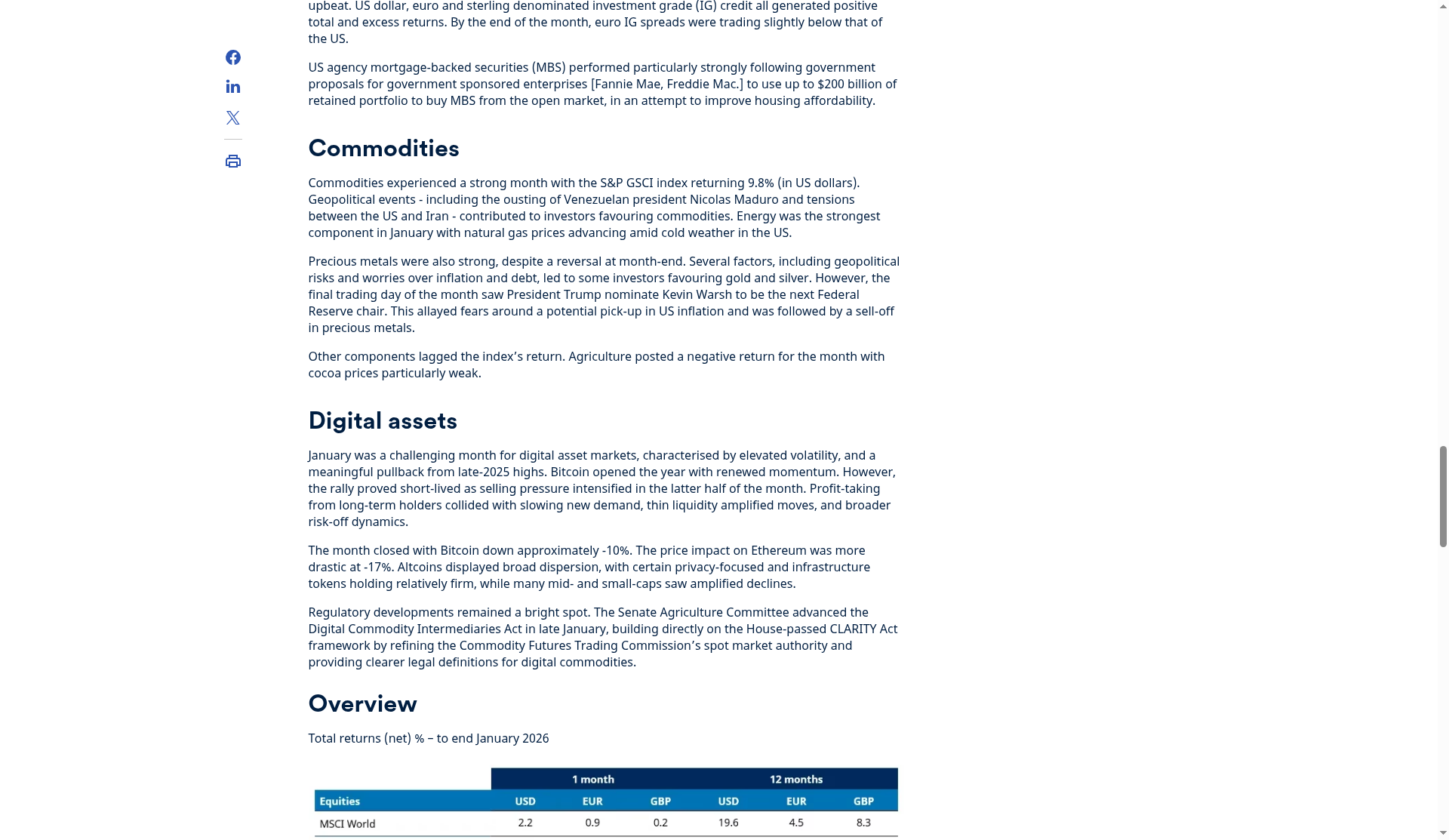
2. Profit-taking → 套利: when selling gains becomes a trading strategy
Same section, earlier bruise:
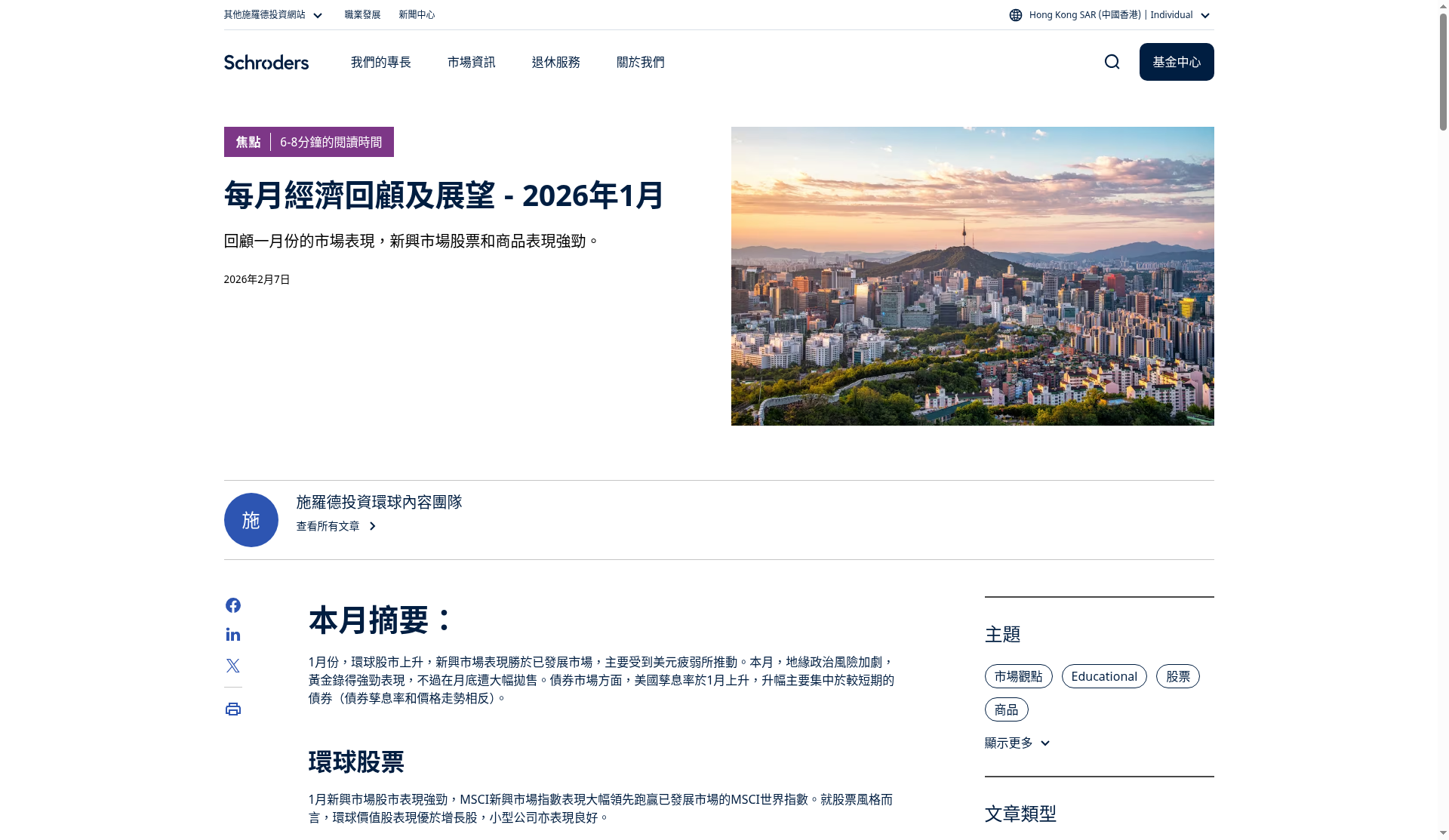
Source (EN)
Profit-taking from long-term holders collided with slowing new demand, thin liquidity amplified moves, and broader risk-off dynamics.
Target (TC)
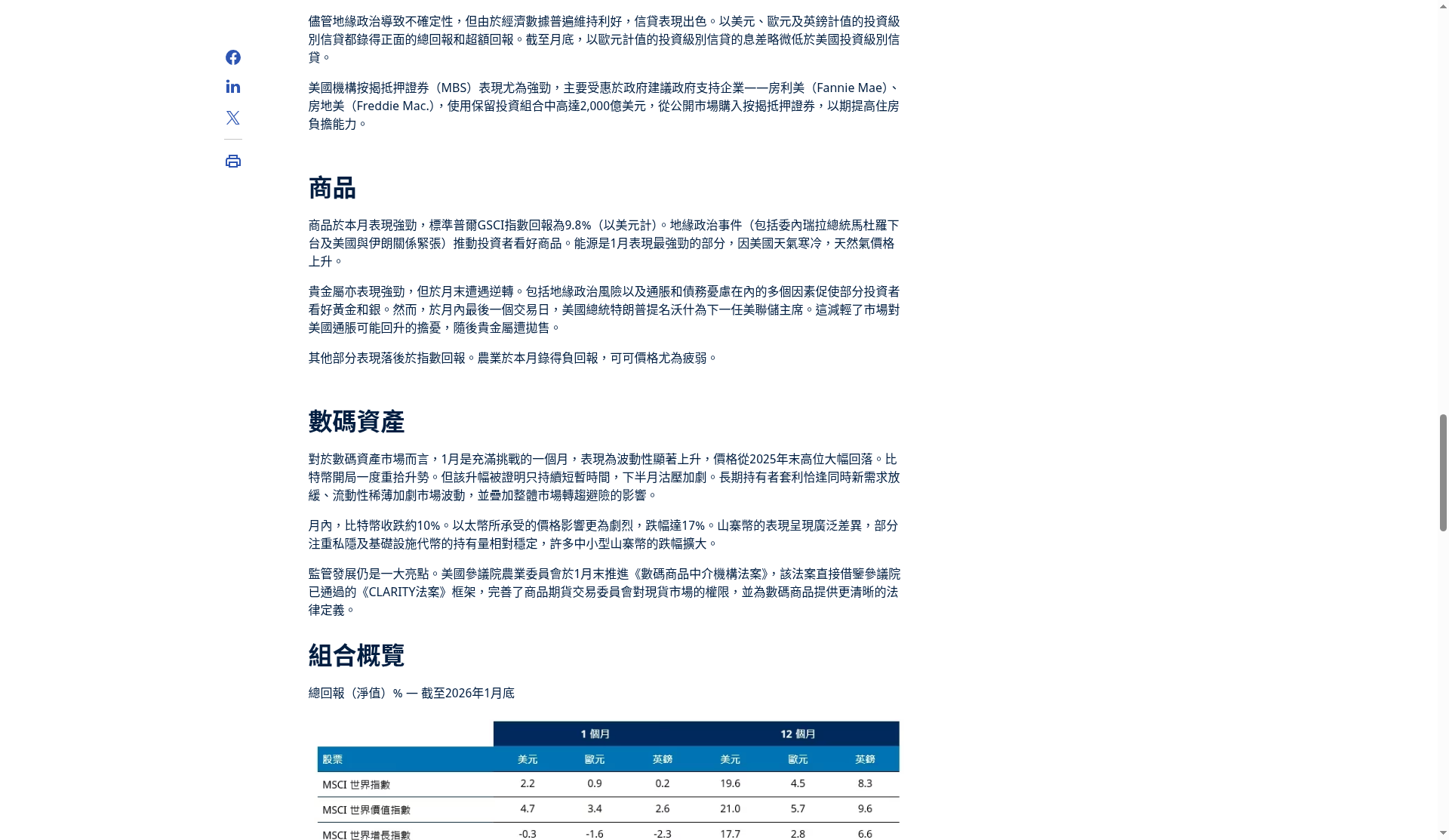
長期持有者套利恰逢同時新需求放緩、流動性稀薄加劇市場波動,並疊加整體市場轉趨避險的影響。
Profit-taking. Long-term holders cashing — or trimming — gains into a thin, risk-off tape. A selling motive.
Chinese chose 套利. That is not a synonym. 套利 is a trading strategy: exploiting a price discrepancy across venues, instruments, or forms. It implies intent, structure, often a market-neutral book. English never said long-term holders were running an arb. It said they were taking profits.
Use 套利 here and the Chinese reader does not merely get a “wrong word.” They get a materially different market story — strategy and positioning instead of ordinary selling pressure — with implications for how the pullback is read: who sold, why, and what kind of flow hit the tape.
And no, the rescue is not a blanket 「獲利回吐」 either. When holders / investors are the subject, prefer 沽出以鎖定利潤 or 獲利減持, picked by the English sense. 獲利回吐 is for price/market pullback after a run — not for people selling into strength.
Safer TARGET:
(or 獲利減持, if the English is trimming a winning position rather than locking gains wholesale)
Why bother: the Bitcoin/Ethereum pullback paragraph names a selling motive. Call it 套利 and Chinese readers inherit a trading-strategy claim EN never made — material, not cosmetic — on a paid bilingual page.
Please stop
- Stop rendering House as 參議院 unless the English actually said Senate.
- Stop rendering profit-taking as 套利. 套利 is a trading strategy; the swap carries material implications for how readers read the flow.
- When investors or long-term holders are the subject, check collocation before 獲利回吐. 沽出以鎖定利潤 / 獲利減持 first.
When you pay for bilingual Market Insights, you are not paying for chamber roulette or an arbitrage ghost in the digital-assets tape. You are paying not to make unprofessional errors. Somehow these two still got through.
A translation commentary for professional reference only; not investment advice.